
After a big storm rolls through Orlando, it’s not unusual to find trees leaning the wrong way or crashed down in the yard. Strong winds and soaked ground make a messy mix, and it doesn’t take much to cause damage. Branches fall fast. Roots get pulled loose. A peaceful yard can turn into a problem spot overnight.
That’s why fast and safe storm damage tree removal in Orlando really matters. When trees come down, people often worry about more than just the mess. Will it hurt someone? Can it hit power lines? How do you even start fixing it? These are the questions that race through people’s minds once the storm clouds move out. Let’s walk through how the clean-up really happens so you know what to expect when the time comes.
What Happens Right After the Storm
When the storm passes, the first step is to make sure everyone is safe. Then it’s time to look at the damage. This starts with a careful check of the trees that came down or look unstable. Broken limbs hanging by a thread or trees tipped at odd angles can be dangerous if left alone.
Timing does matter. The longer a cracked or leaning tree sits untouched, the more it can shift, especially if the ground is still soggy. That extra weight can pull sections of it down without warning. Trained tree crews know what signs to look for. Big splits in the trunk, fresh root exposure, or bark peeling away are red flags. If branches are hanging near roofs or tangled in wires, those areas need extra care.
Making the right call early on keeps things from getting worse. That’s why quick assessment helps keep people, property, and nearby trees out of danger.
Certified arborist consultations following a major storm can help identify hidden risks and make a plan for safe removal.
How Damaged Trees Are Safely Removed
Storm damage tree removal in Orlando isn’t the same as a planned tree job. Cleanup after a storm can be tricky because the mess is random. One tree may fall over a fence while another drops through a patio cover. Working safely around those problems takes extra care.
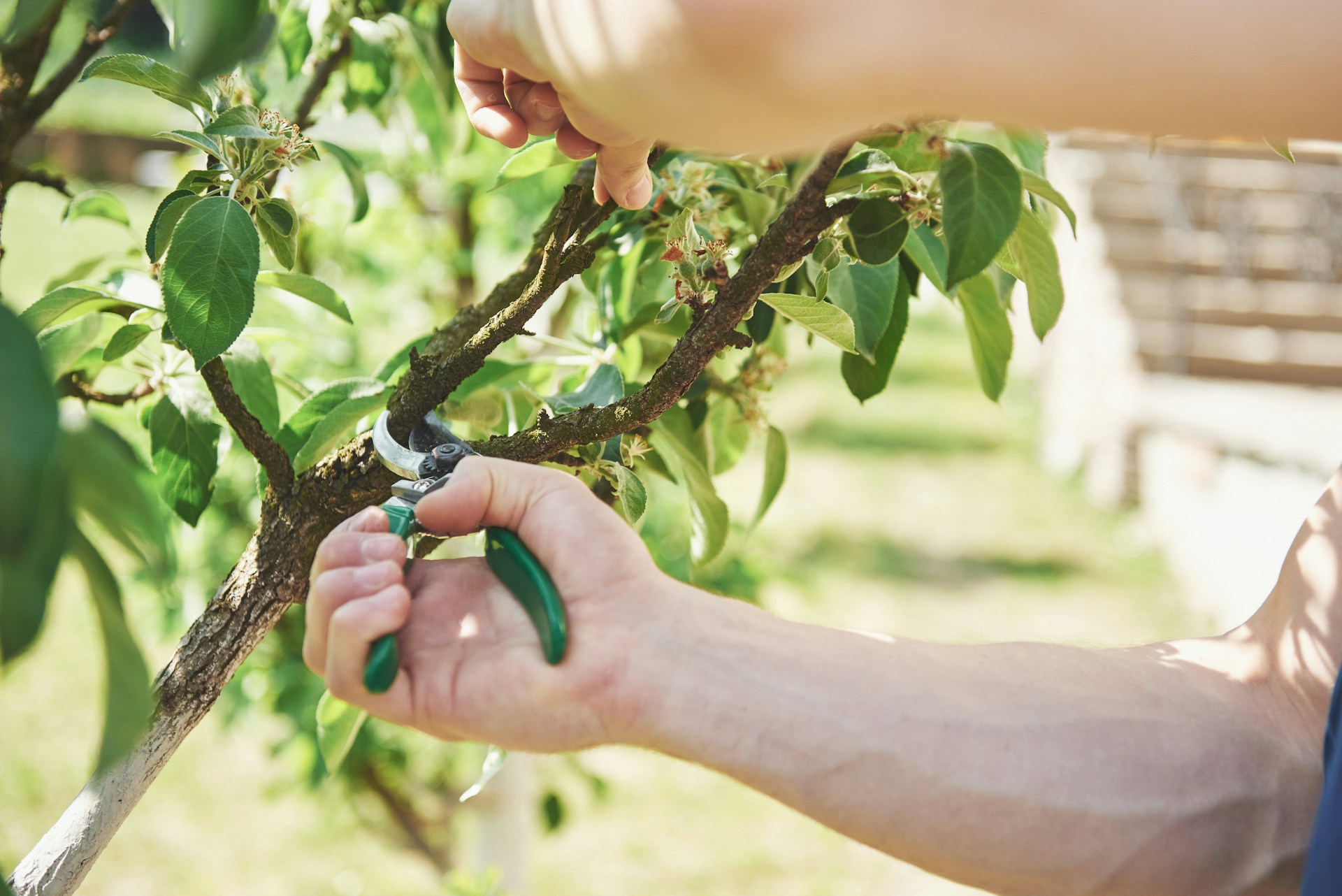
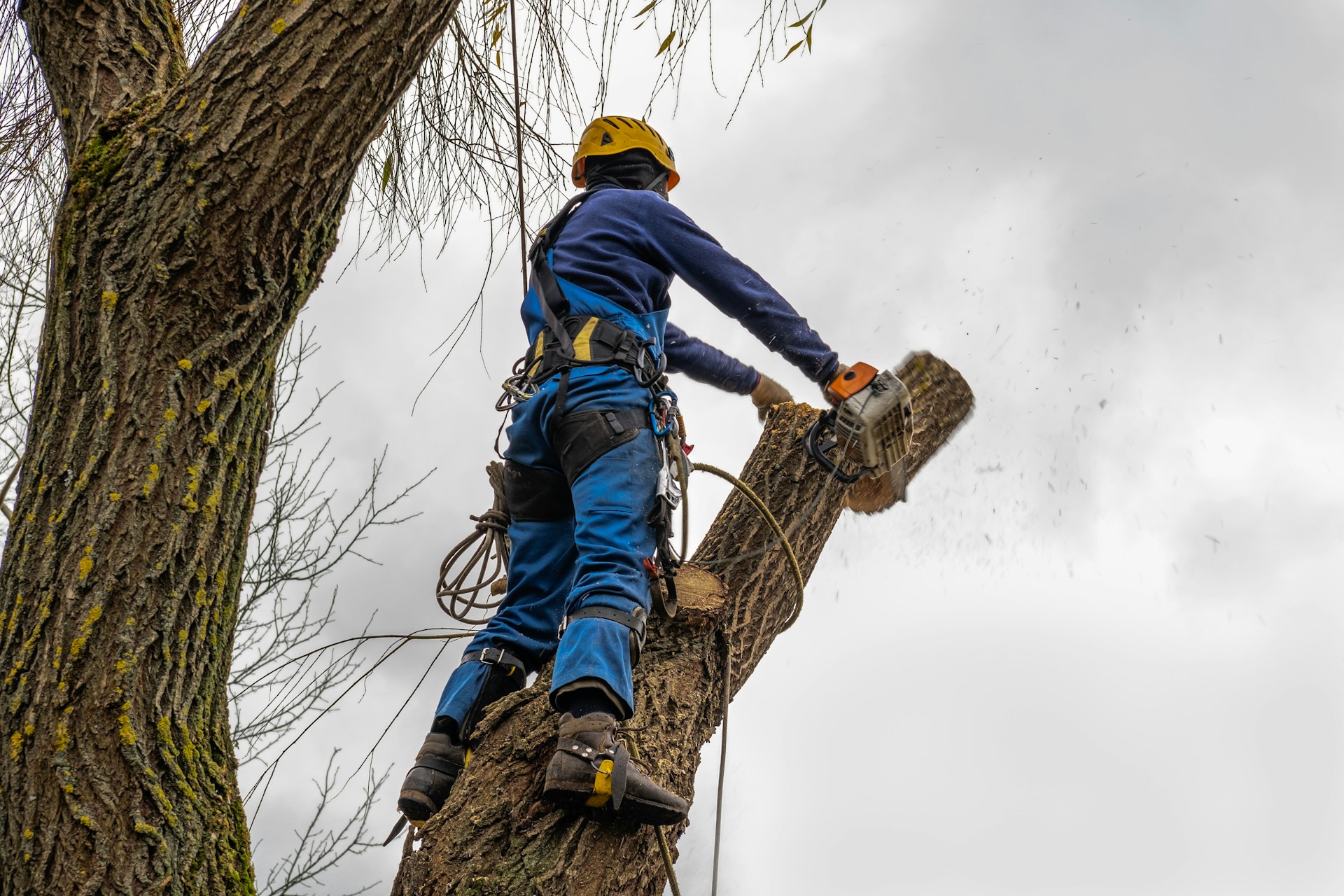
Once the area is clear and secure, the crew starts by cutting away broken branches and smaller debris to open up space. After that, they move on to the heavier parts, working from the top down when needed. Some sections may be under pressure or tension from being twisted or pinned. Releasing those too quickly can send a branch flying or cause the whole trunk to shift.
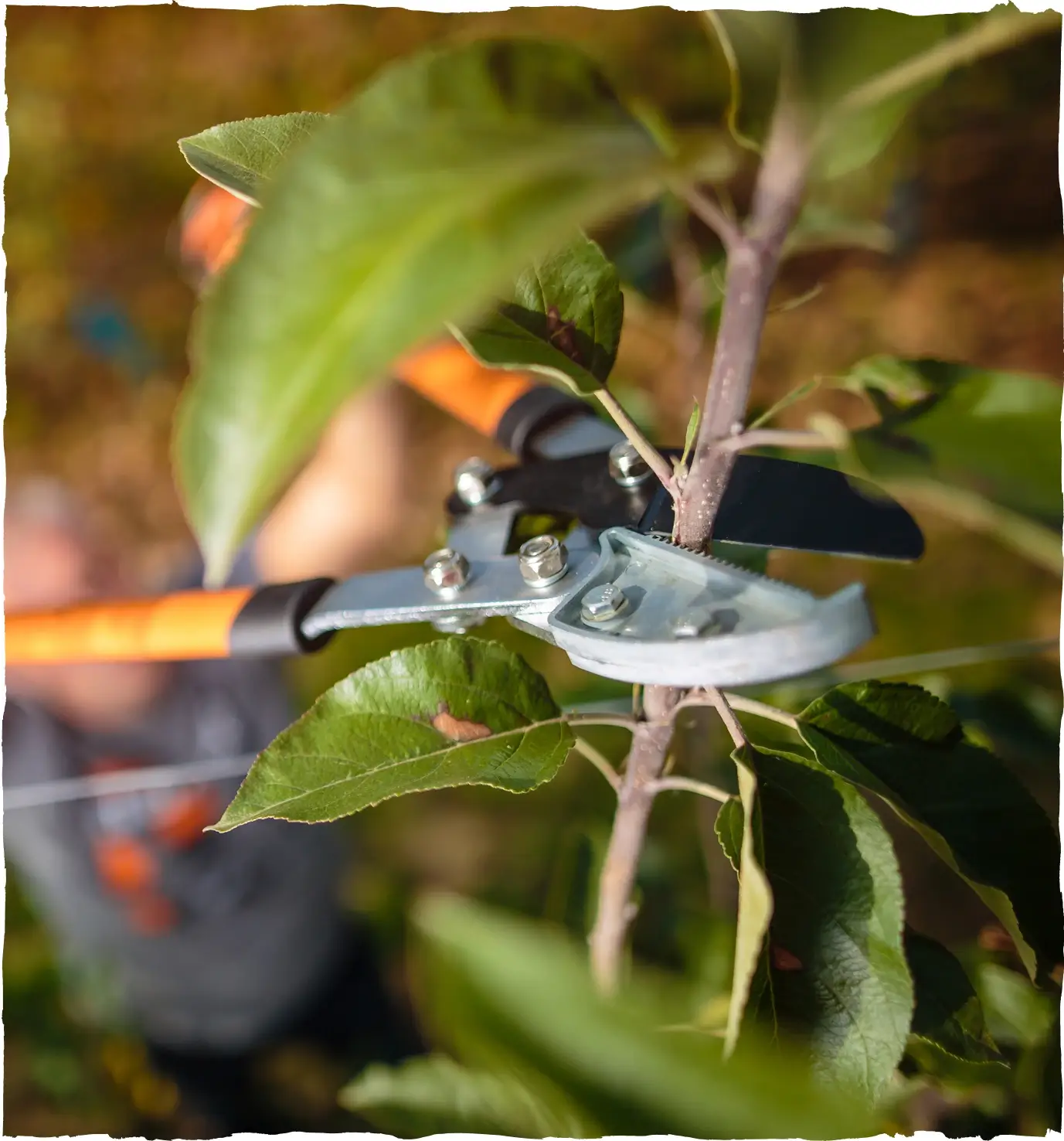
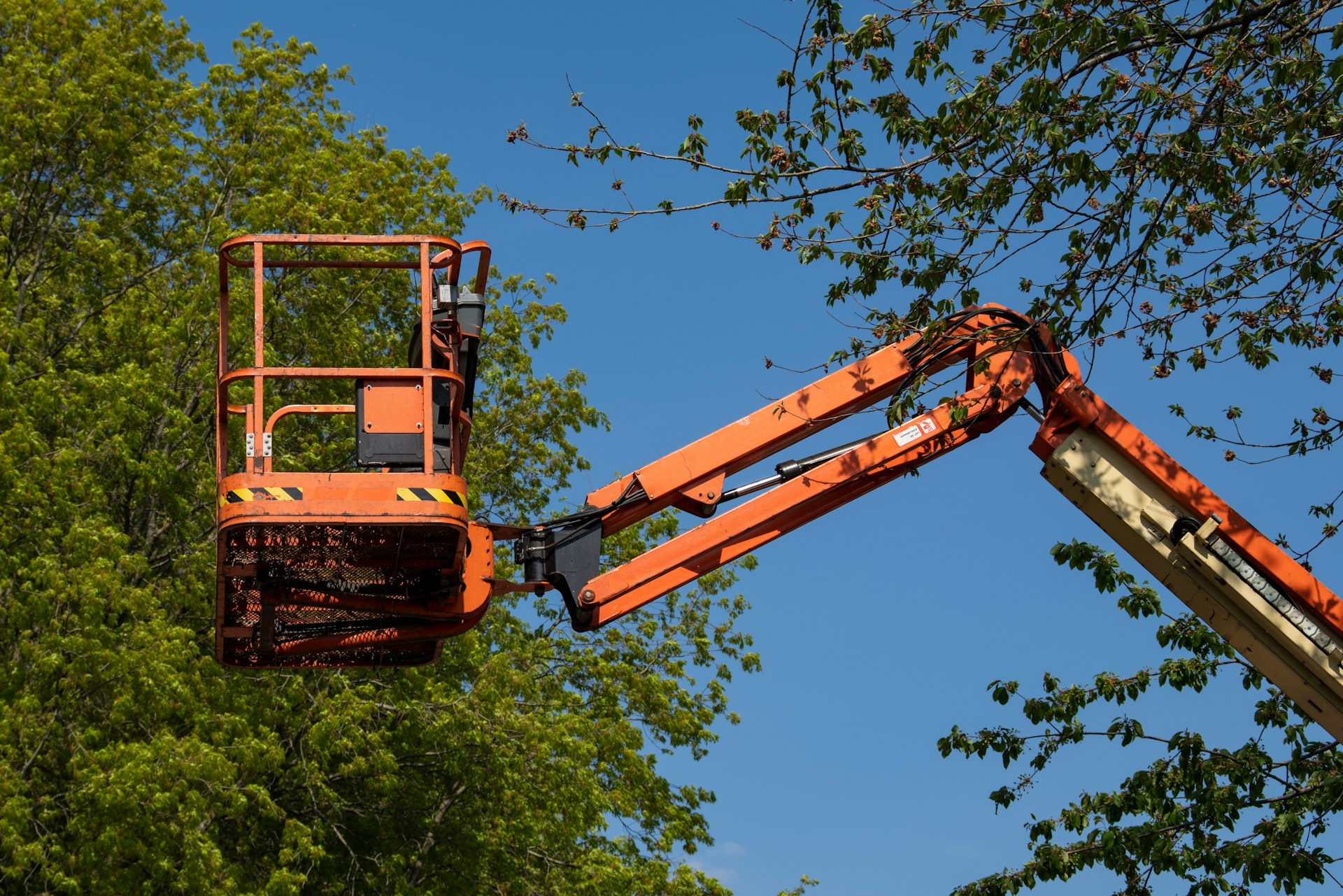
A lot of the work depends on where the tree fell. Tight spaces like backyards often need smaller tools or ropes to lower the pieces without hitting what’s around them. In some cases, when big limbs are high up or draped across a home, special equipment like lifts is used. Every move is planned so the crew stays safe, and nearby homes or features don’t get hit during cleanup.
Professional removal services can grind down stumps and haul away logs or branches, making sure the area is left neat after emergency work.
How the Florida Climate Impacts Cleanup Efforts
Orlando’s weather plays a big part in how storm cleanup works. Rain often sticks around after the storm ends, making the soil soft and heavy. That makes it harder for machines and crews to move around without sinking or slipping. Sandy soil doesn’t hold much weight either, especially in yards that already took a beating from fallen trees.
Another thing to think about is timing. December in Florida brings cooler air and lower rain chances. That makes winter one of the better times to remove storm-damaged trees without making more of a mess. The ground has a better chance to hold up under equipment, and the break in the weather offers calmer work conditions.
That doesn’t mean it’s easy. After heavy windstorms, there’s often leftover debris and some areas may still be too damp to reach without care. Crews may need to find new paths to work safely, even if it takes longer. The important part is avoiding more damage to yards or driveways during removal.
Certified tree crews use mats and light equipment in sensitive areas to keep lawns and landscape beds safe during cleanup.
What Cleanup Looks Like After Tree Removal
Once the tree’s gone, there’s still cleanup to do. The area under the trunk or branches is often messy. You might see soft patches where the tree hit, deep marks in the lawn, or piles of wood chips if grinding was part of the job.
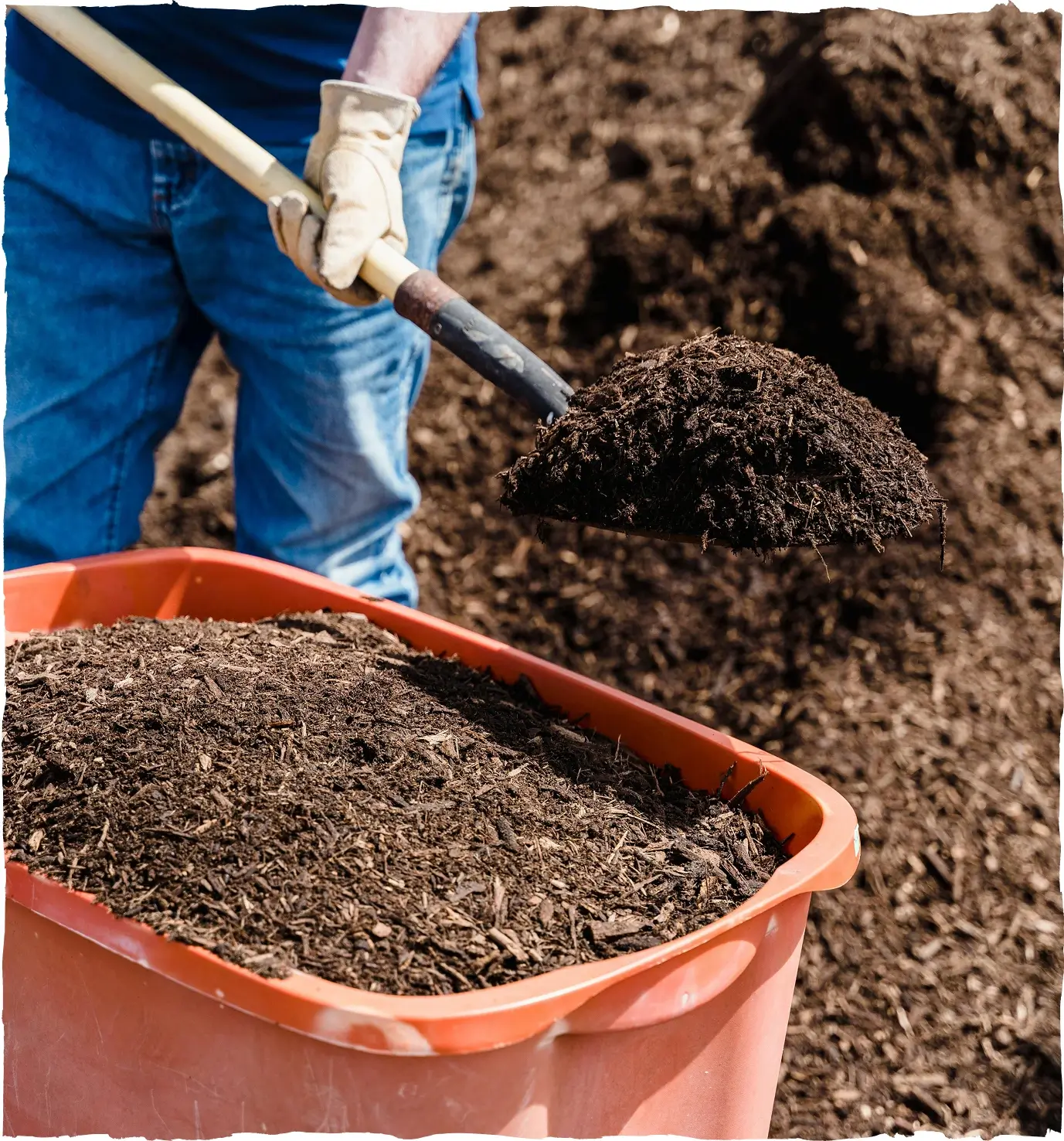
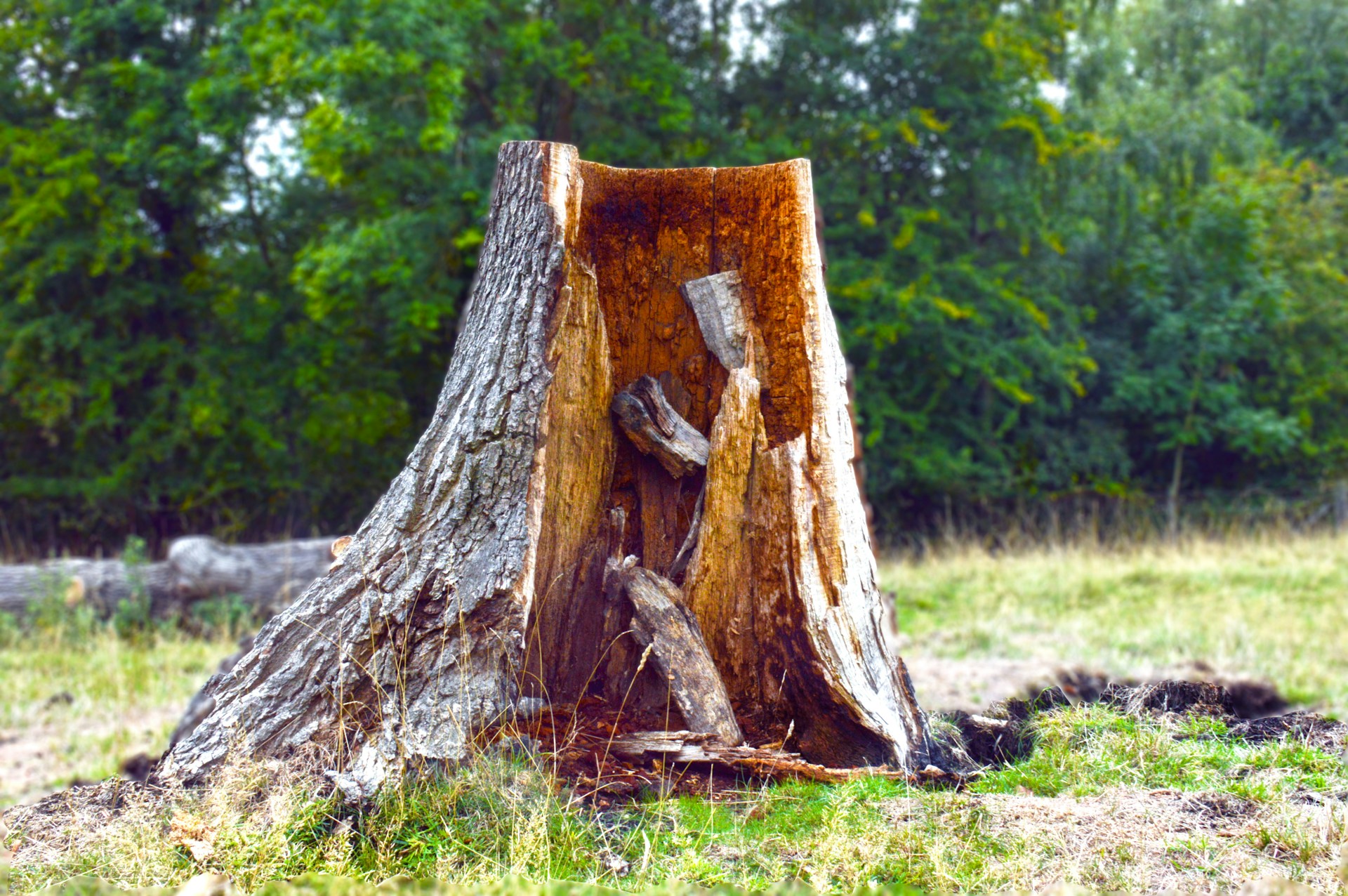
Those chips are from the cut-up branches and, in some cases, the stump itself. While some folks like to reuse them as mulch, others want them cleared to make space for grass or other plants later on. If a stump stays behind for now, the crew will let you know if it needs a return visit or if the area is safe to leave as-is for a bit.
Filling in ruts, leveling the ground, and raking up loose wood are normal parts of post-storm work. Yards in Orlando usually bounce back with time, especially during Florida’s cooler months. Some grass goes a bit slower during winter, but that quiet season gives the soil a break and time to settle before spring growth kicks in again.
Safe and Ready for What Comes Next
Fast, smart tree removal after a storm can go a long way toward keeping things from getting worse. Once the damage is cleared and the space is safe, it’s easier for everything else to fall back into place. Fences can be fixed, roofs can be patched, and plants have space to regrow.
Storms are never fun to deal with, but knowing what to expect after one helps take some of the worry off your shoulders. And when it comes to removing broken trees, careful work now means fewer surprises later. When it’s handled the right way, your yard can get back to normal faster—and stay that way the next time the weather rolls in.
Storms can leave a mess behind, but you don’t have to sort it out alone. Clearing damaged trees takes the right tools, steady hands, and local experience—especially when things are leaning, cracked, or tangled. We handle cleanups of all sizes and can talk you through each step. If you’re dealing with fallen limbs or leaning trunks, we can help with storm damage tree removal in Orlando. West Tree Services is ready when you are.