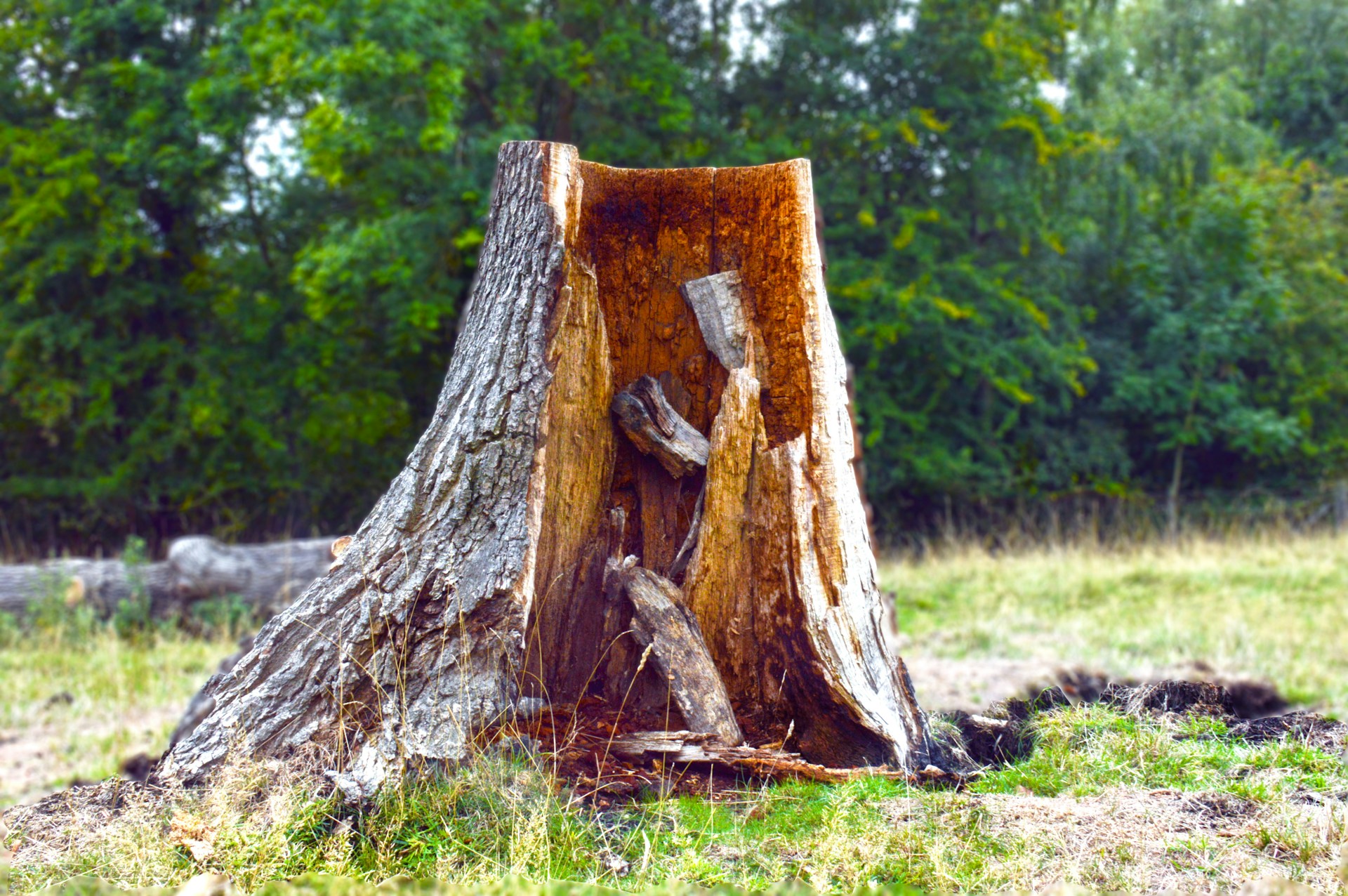

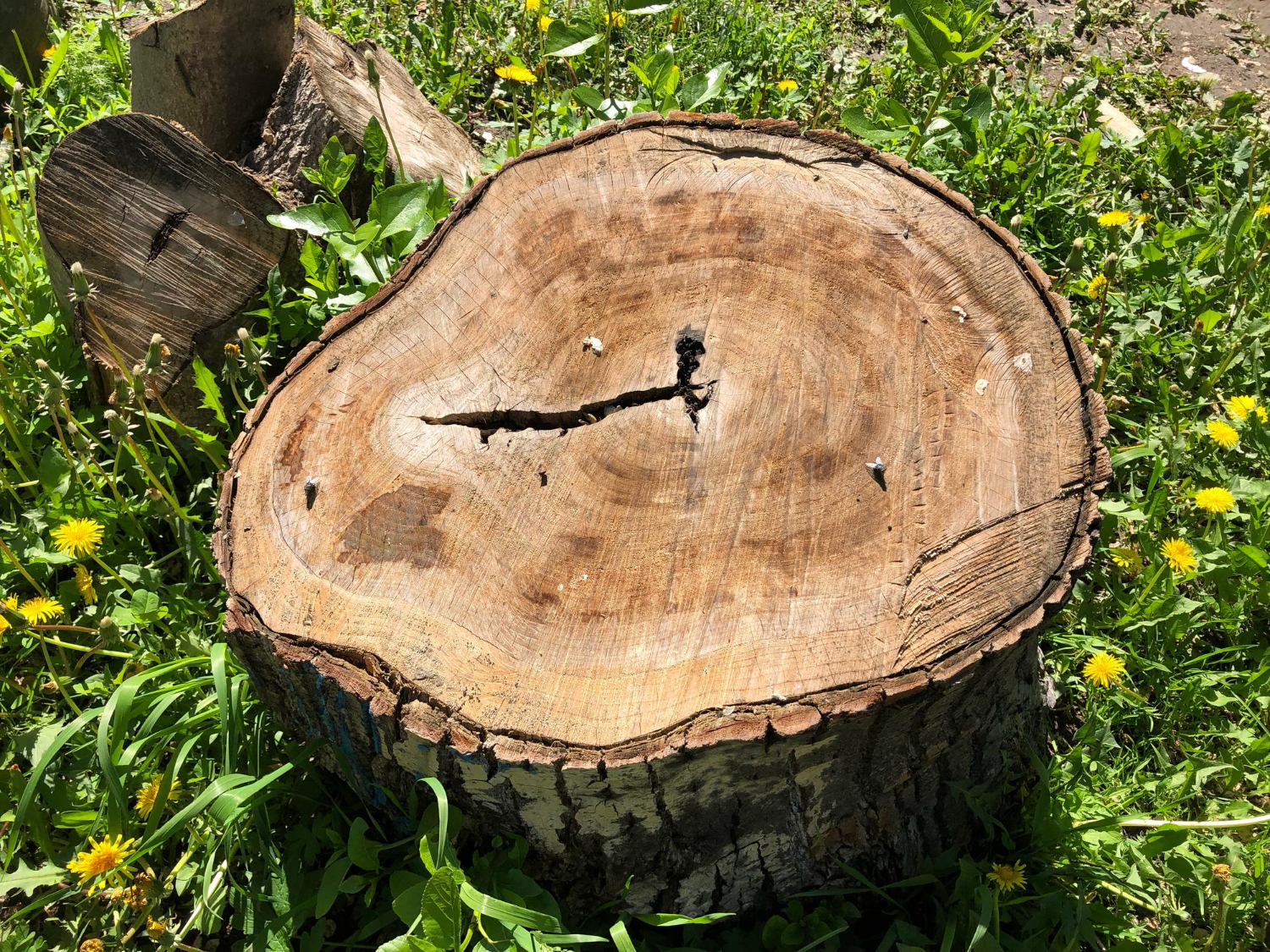
When a tree comes down, whether from age, weather, or safety concerns, the stump that’s left behind isn’t just an eyesore. It can get in the way, attract pests, or keep new landscaping plans from moving forward. That’s where stump grinding comes in. For homeowners around Orlando, this process is one of the most common ways to take care of what’s left after a tree removal.
But it’s normal to worry about what stump grinding might do to a healthy lawn. If you’ve spent time keeping your yard neat, the last thing you want is a new repair project after the stump is gone. The good news is that stump grinding in Orlando can be done in a way that keeps lawns looking tidy and avoids long-term damage. Let’s look at how the process works and what steps help protect yards from harm.
Understanding How Stump Grinding Works
Stump grinding removes the leftover tree base without having to dig up all the roots. Instead of pulling out the whole stump, a professional uses a machine with a spinning blade to grind the wood down into small chips. The grinder slowly works through the stump and into the ground, usually stopping between 6 and 12 inches below the surface.
This approach is easier on yards compared to digging out stumps completely. It doesn’t need big digging tools or leave behind a huge hole. Most stump grinders are compact enough for residential jobs and avoid damaging nearby landscaping, sprinkler lines, or lawn edges.
Professional crews use specialty grinders sized for backyard spaces, so heavy equipment doesn’t roll across your lawn or smash through flower beds.
Why Lawn Damage Is a Common Worry
Homeowners often worry that heavy machines will leave deep tracks, bald patches, or worse after grinding is done. Concerns include ruts in the soil, torn grass, or a larger mess left than expected.
Florida’s sandy soil and year-round warm weather make a difference too. Grass here can bounce back quickly with the right care, but sandy areas may give way beneath tires, especially after it rains. That’s why people sometimes pause before booking work. Most yard damage isn’t from the grinder itself, but from poor setup, wrong-sized machines, or working in bad weather.
With good planning and the right tools, almost all of these problems can be avoided or fixed fast.
Steps We Take to Protect Your Lawn
Protecting the yard starts even before the machine leaves the trailer. We look at each spot, lay out plywood boards for the machine to roll over, and block off anything that could be hurt by flying wood chips.
Choosing the right size grinder is important too. A smaller, tracked stump grinder is less likely to sink or spin out in grass, especially right after rain. For tight yards, smaller machines work best. For open spots with firmer soil, larger grinders can sometimes be used without leaving marks.
After grinding, cleanup really matters. Crews rake up wood chips, level the ground, and double-check for leftover roots or bumps sticking out. If things look flat when the work is done, your lawn will be ready for new seed or other projects soon after.
Certified tree crews use carefully chosen equipment and plywood safeguards around stump sites to prevent rutting or soil displacement.
Timing Matters: Why Winter Is a Good Season for Stump Grinding in Orlando
Cooler months make the job easier in Central Florida. Winter usually brings firmer soil, fewer heavy rainstorms, and less growth to contend with. With hard ground, there’s less chance for machines to make ruts or sink spots.
Lawns grow slower during the winter. That makes repairing, reseeding, or patching a much simpler job. There’s less need to navigate thick turf or overgrown areas while working, so crews can clean up more completely.
Tackling stump grinding in Orlando in winter means your yard has months to recover before fast spring growth starts up again. If you want to replant the spot, you can add soil and seed in time for everything to green back up by early spring.
What to Expect After the Grinding Is Done
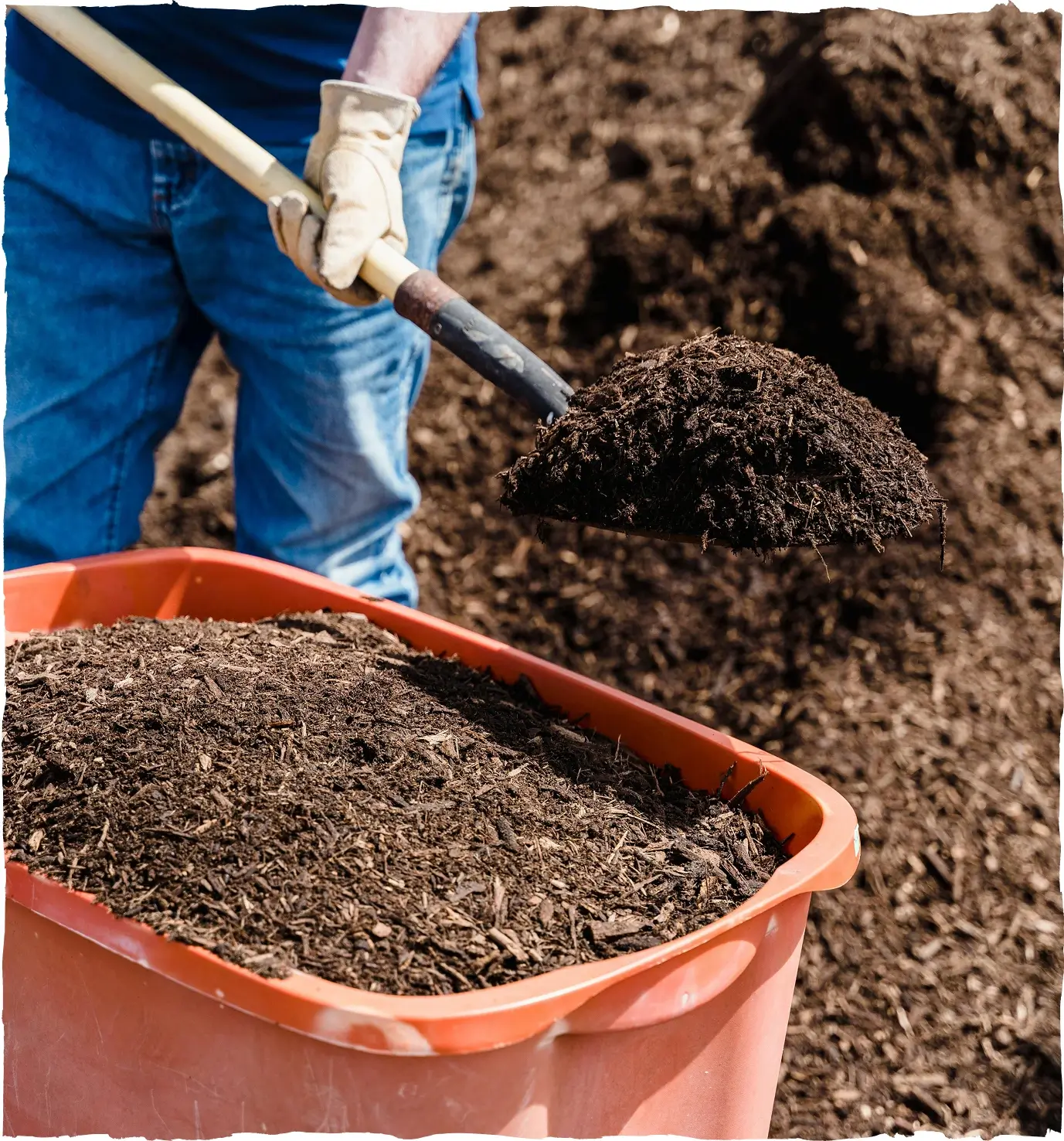
Once grinding finishes, there’s a pile of mulch where the stump used to sit. This mix of dirt and wood can be spread in garden beds, used as cover, or removed for new grass planting. To get the area ready for fresh grass, smooth and level the soil, then add a thin layer of topsoil to help seeds root better.
Some settling is normal for a few weeks after stump grinding. It helps to check the spot once in a while and fill in any new dips that appear. The spot will even out over time, especially if you rake it smooth and water the area.
If you plan to plant something new, winter in Orlando gives you comfortable weather to handle yard repairs and less risk for seeds drying out.
A Healthier Yard Starts Below the Surface
A stump left behind is more than just an eyesore. It can gather pests, block new growth, or become a hidden tripping hazard. Grinding it out cleanly is one of the best ways to keep your lawn safe and boost future growth.
Stump grinding in Orlando doesn’t need to make a mess or turn your yard into a project zone. With careful planning, trained crews, and the right winter timing, the process can be gentle, fast, and surprisingly easy on your grass. Once the stump is gone, you’ll have a clear, open space—one that’s ready for whatever your next yard project brings.
Thinking about clearing out an old stump without tearing up your yard? We handle every step with care, using the right equipment to protect your grass and garden—even with Orlando’s soft soil and warm winters. With a little planning, stump removal stays simple and smooth. To see how we manage jobs like stump grinding in Orlando, take a look at what we offer. West Tree Services is ready when you are.