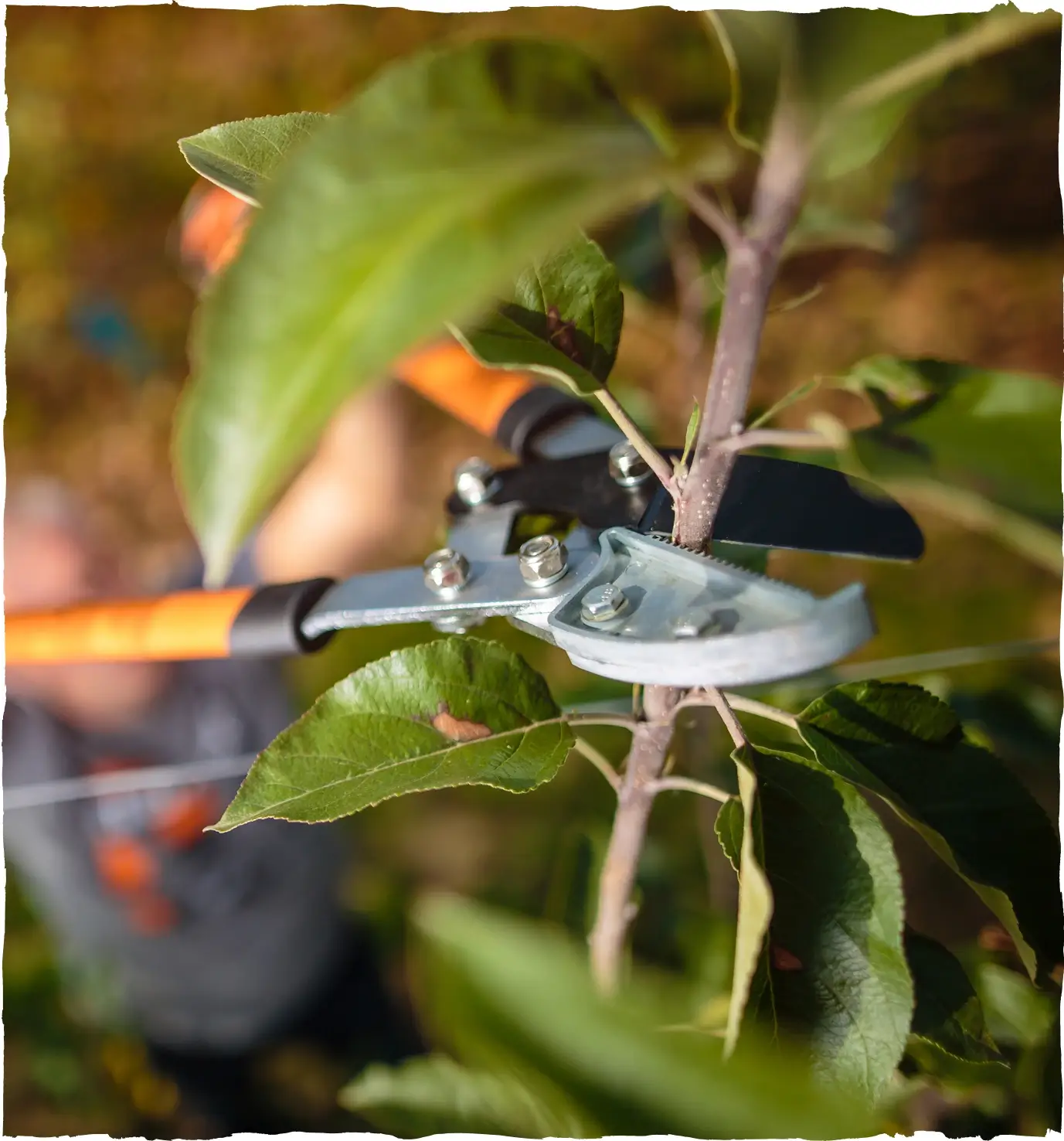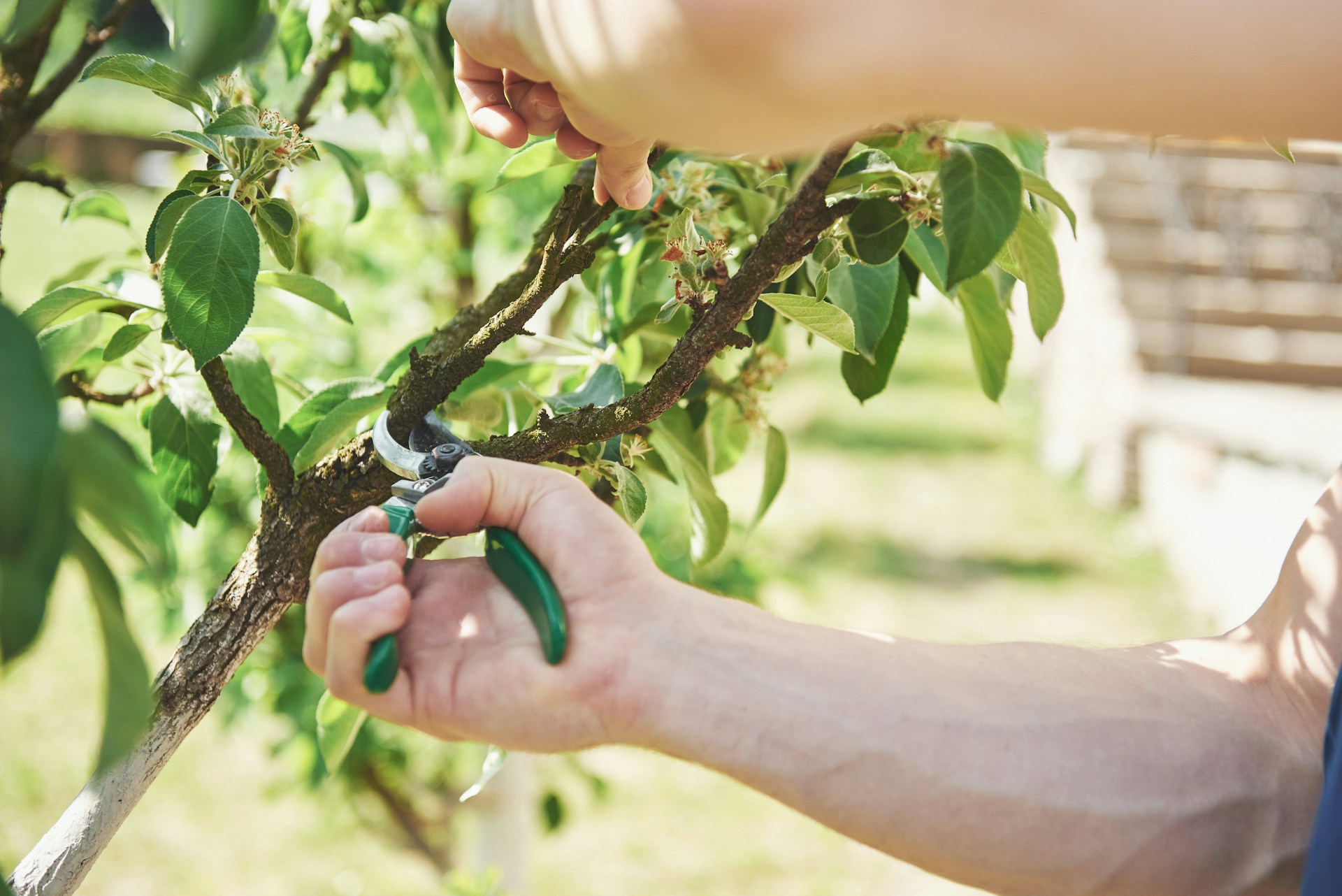

Oak trees are one of the most common and beautiful features in many Orlando yards. Their wide canopies offer great shade, and their strong limbs bring character to the neighborhood. But to stay healthy and safe, they need regular trimming just like any other part of the landscape. Leaving oaks untouched for too long can lead to broken branches, messy debris, or even property damage when storms pass through.
That’s why keeping up with oak tree trimming in Orlando matters, especially in a climate where warm weather and fast-growing limbs are the norm. Trimming at the right time is key to supporting the health of your trees and can help prevent bigger issues down the line. Routine care doesn’t just improve looks, either. It helps keep your yard safer for everyone using it.
Why Oak Trees Need Regular Trimming
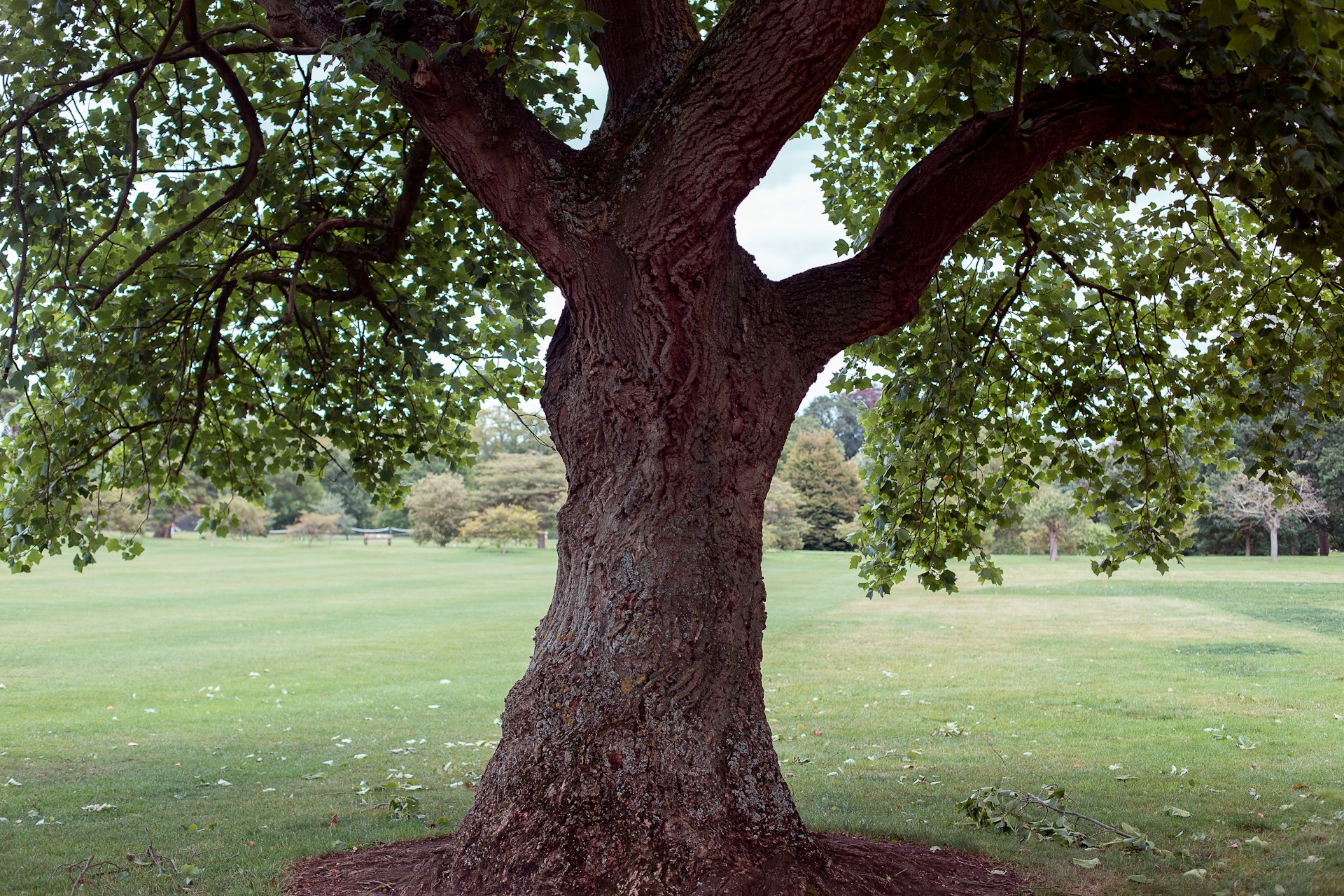
Oaks can grow thick and heavy quickly, especially in Florida’s long growing seasons. This means their limbs often reach over roofs or driveways before we even notice. Giving oaks a regular trim helps keep them strong, balanced, and safe during summer downpours or windstorms.
• Trimming prevents weak, dead, or damaged branches from falling during storms
• A good trim encourages new growth and helps the tree keep its shape
• Opening up the canopy allows more air and sun to reach the tree and everything around it
When air and sunlight can move through the branches, mold, mildew, and insect damage are less likely to become a problem. It also gives nearby plants and grass a better shot at thriving in those shaded areas beneath the tree. Healthy oaks provide shelter for local birds and wildlife, but overgrown branches can pose hazards to both people and animals.
Even if your oak looks healthy from below, it could still be holding branches that are too heavy or rubbing together high up in the crown. Regular checks and trims help catch these issues before they cause trouble.
We provide certified arborist consultations to evaluate tree health, spot the signs of overgrowth, and recommend safe trimming practices. Our Medallion Service ensures attention to detail and the highest standards every time we maintain your oaks.
Signs Your Oak Tree Is Overdue for a Trim
Sometimes it’s clear that a tree needs trimming. Other times, the signs sneak up slowly as growth builds over season after season. Either way, the clues tend to show up in a few common patterns.
• Branches hang low over sidewalks, driveways, roofs, or outdoor spaces
• Limbs look tangled, crowded, or rub together when the wind blows
• Certain parts of the tree stay bare or leafless, even in warmer months
Branches rubbing against each other often create wounds that don’t heal well, leading to bigger problems later. Dead wood not only looks bad, but it can also snap off without warning. Watching how your oak grows and noticing when it starts to feel heavy or wild can help you know when it’s time for a trim.
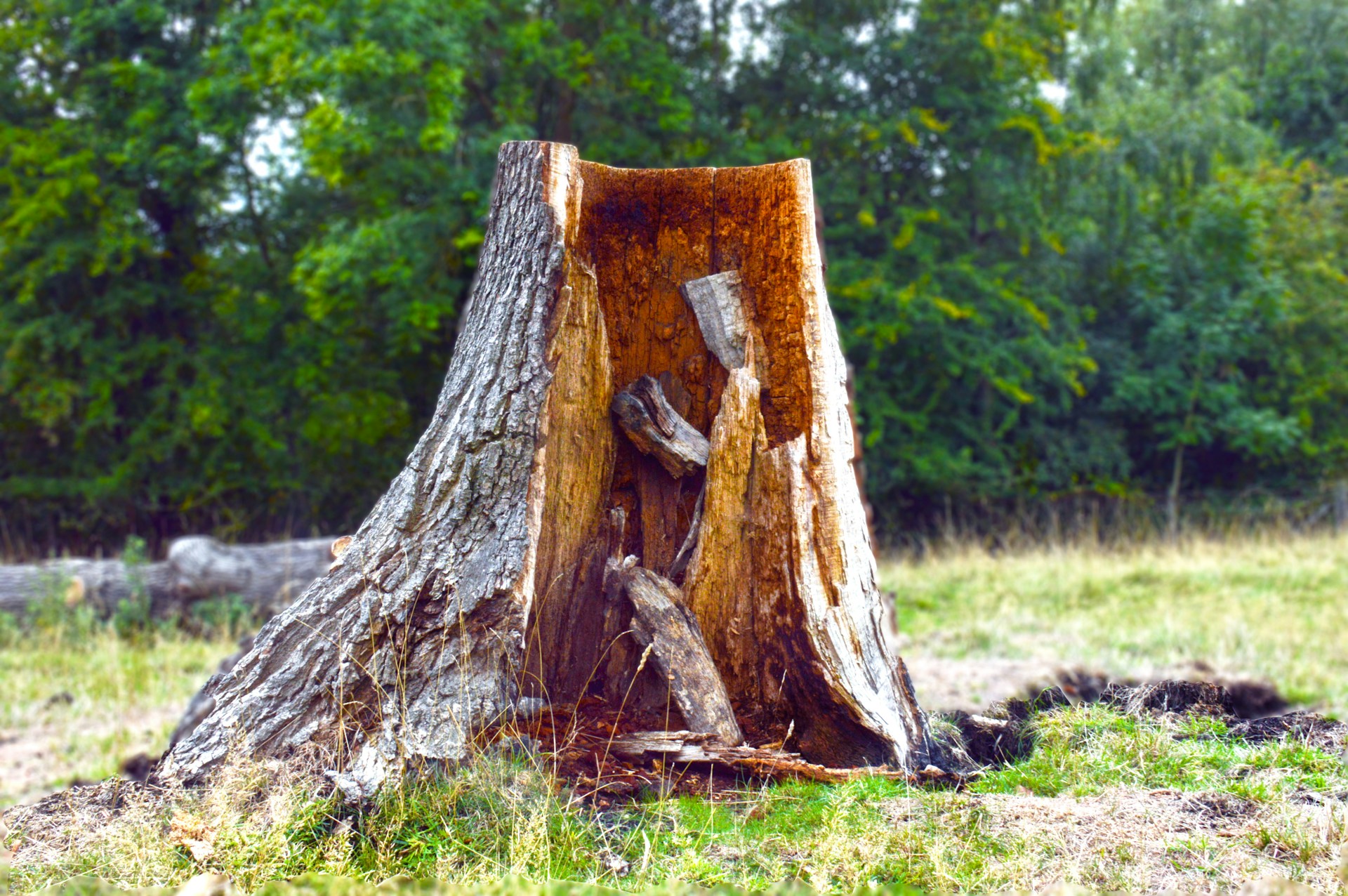
You might also see spots where moss, lichen, or fungus has built up on shaded branches. These signs can mean not enough sunlight is getting through. Over time, crowded limbs can make the tree weaker overall and block sunlight that is important for your yard or home. Noisy branches in the wind or piles of twigs and leaves below the tree can also signal it’s time for a closer look.
Sometimes, fallen branches after a storm are just a wake-up call for what’s happening up above. If you start seeing small limbs or oak leaves all over your driveway or yard after every windstorm, it’s probably time for a proper trim.
Paying Attention to Seasonal Clues in Orlando
Unlike areas up north, Orlando trees rarely go fully dormant during winter. Oaks tend to keep some leaves or show green year-round. But growth still slows down when temperatures drop, and that shift gives us a useful trimming window.
Late winter is usually the best time to trim. The tree isn’t pushing out new growth yet, so cuts can heal cleanly before spring returns. Cooler months also make it easier to see the branch structure without all the thick leaves in the way.
• Slower growth in winter helps trees recover more easily after a trim
• Fewer leaves make it easier to see where each limb starts and ends
• Local weather patterns, like reduced rainfall and milder temps, can lower trimming stress on the tree
Our climate doesn’t deal with snow or hard freezes, but we do have steady cycles that tell us when trees are resting. Paying attention to those local rhythms helps keep your tree in good shape through our longer seasons.
When spring arrives, new growth can happen quickly. If you trim late in the winter or early spring, you give your oak the best shot at a strong, healthy start for the coming year. This timing also avoids disturbing any birds or wildlife that may use your oak during nesting season. When hurricane season rolls around in summer, you’ll be glad your tree is less likely to drop limbs or create hazards during a windy afternoon.
How Professional Help Makes a Big Difference
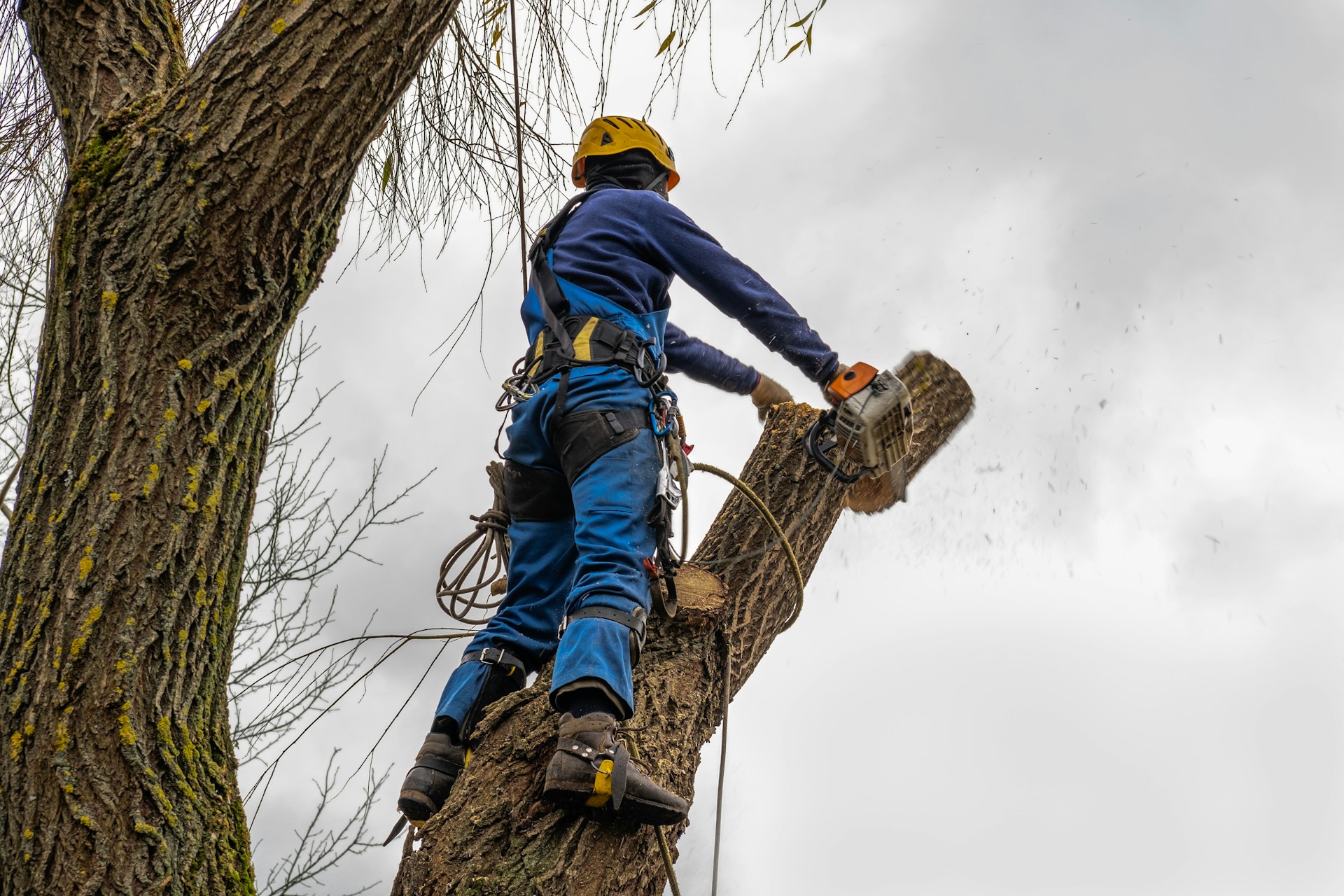
Trimming a tall oak might look simple from the ground, but once you’re up there, things change fast. Oak limbs are heavy, the angles can be hard to reach, and a bad cut can do real damage. That’s why trimming is best left to trained tree professionals.
• Climbing tall trees and using sharp tools carries real risk without the right training
• Experts can spot early signs of weak limbs, disease, or overgrowth
• Knowing how much to cut, and where, helps avoid over-pruning, which can weaken the tree
It’s not just about cutting things back. Untrained cuts can scar the bark or reduce the tree’s natural ability to protect itself. Skilled hands know how to trim without overdoing it, which keeps the tree strong and helps it heal better.
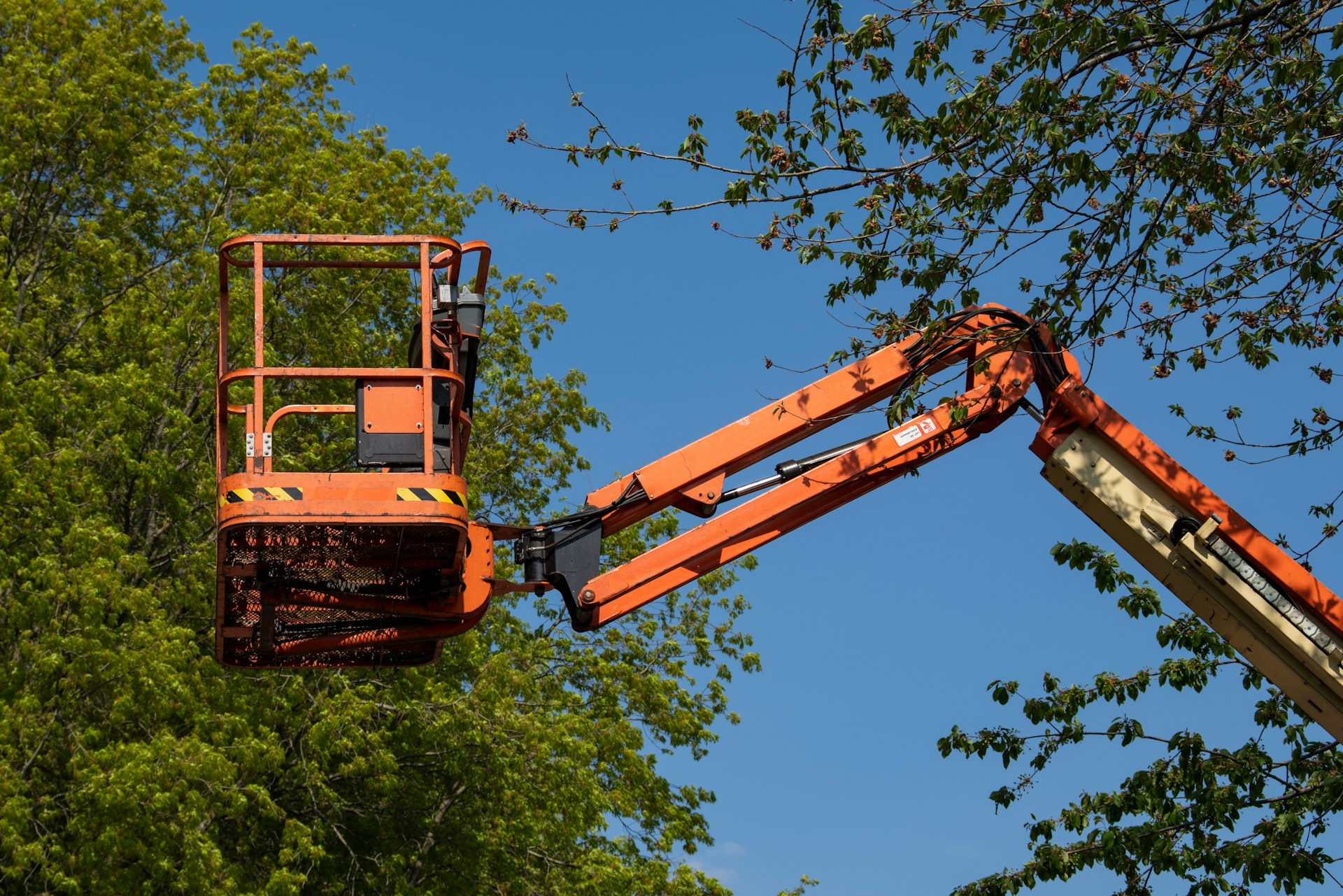
Professionals also bring the right equipment, like ladders, harnesses, and proper saws, to reach high spots without damaging the trunk or lower limbs. We clean up drop zones and make sure nothing falls on a roof, power line, or driveway. Our certified crews can recognize when a limb might be rotted inside, spot signs of insect activity, or see if roots need a checkup, which keeps your tree safer in the long run.
Following proper pruning rules helps oak trees keep their natural beauty and strength. Our professional approach means that your tree grows more evenly, recovers faster from trimming, and stands up better to both summer storms and long dry spells.
We serve Orlando, Orange, Seminole, Lake, and Osceola counties, offering both routine maintenance and safety-driven trimming that fits the unique needs of your property.
A Safer, Healthier Yard Starts with Good Timing
Trimming an oak tree at the right moment does more than keep it looking tidy. It can help prevent broken limbs, protect structures nearby, and make room for healthy new growth. When we pay attention to signs like dead branches, low-hanging limbs, or crowded growth, we help our trees stay healthy for years to come.
In a place like Orlando, where trees grow quickly and storms aren’t shy, staying ahead of trimming needs can make a big difference. When we time it right, we set our oak trees up for cleaner growth, fewer hazards, and a yard that feels better all around.
When your oak looks overgrown or starts dropping limbs after storms, it’s important to act quickly. Timing is everything here in Central Florida with the region’s rapid tree growth and unpredictable weather. Regular maintenance keeps your tree healthier and your outdoor space safer all year long. To find out how we can help with safe, proper oak tree trimming in Orlando, reach out to West Tree Services today.