
Storm winds, soaked soil, and heat-driven growth can all strain even the strongest trees in Orlando. That’s why knowing when a tree becomes a hazard is so important. Hazardous tree removal in Orlando isn’t just about cutting something down that looks off. It’s a process that takes planning, know-how, and the right timing.
Whether a tree is leaning too far, has large dead branches, or was damaged in a recent storm, ignoring the signs can lead to bigger problems. A weak tree could fall near power lines or drop limbs on a home or driveway. That’s why the steps to remove it need to be careful, thorough, and safe. Here’s what the process usually looks like from start to finish.
What Makes a Tree Hazardous
Not every leaning trunk or bare spot means a tree is unsafe, but some signs are worth paying attention to. Florida weather puts extra stress on trees with high winds, soaked roots, and long periods of growth. These conditions can turn a healthy-looking tree into a risk without warning.
Watch for signs like:
• Large dead branches that stay bare during the growing season
• A visible lean, especially if the ground near the roots looks cracked or raised
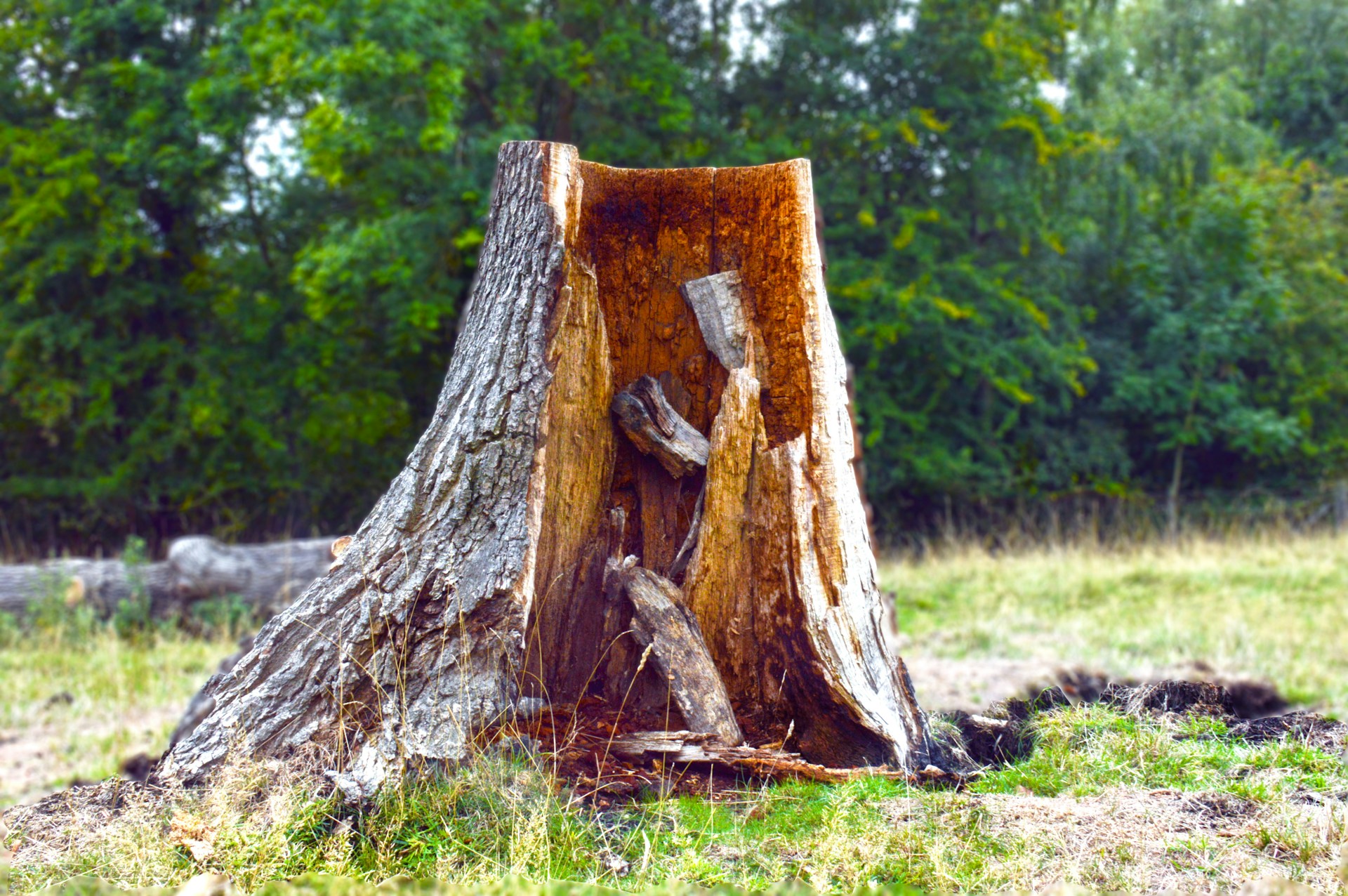
• Mushrooms or rot near the base, which may mean internal decay
• Bark falling off in big sections or holes in the trunk
• Limbs getting too heavy or stretched over roofs and power lines
We see these red flags more often during late winter and early spring, right before the rainy season hits. That timing matters. The truth is, once storm season rolls in, any weak spots can quickly turn unsafe. Acting early gives us better weather to work in and safer ground to plan from.
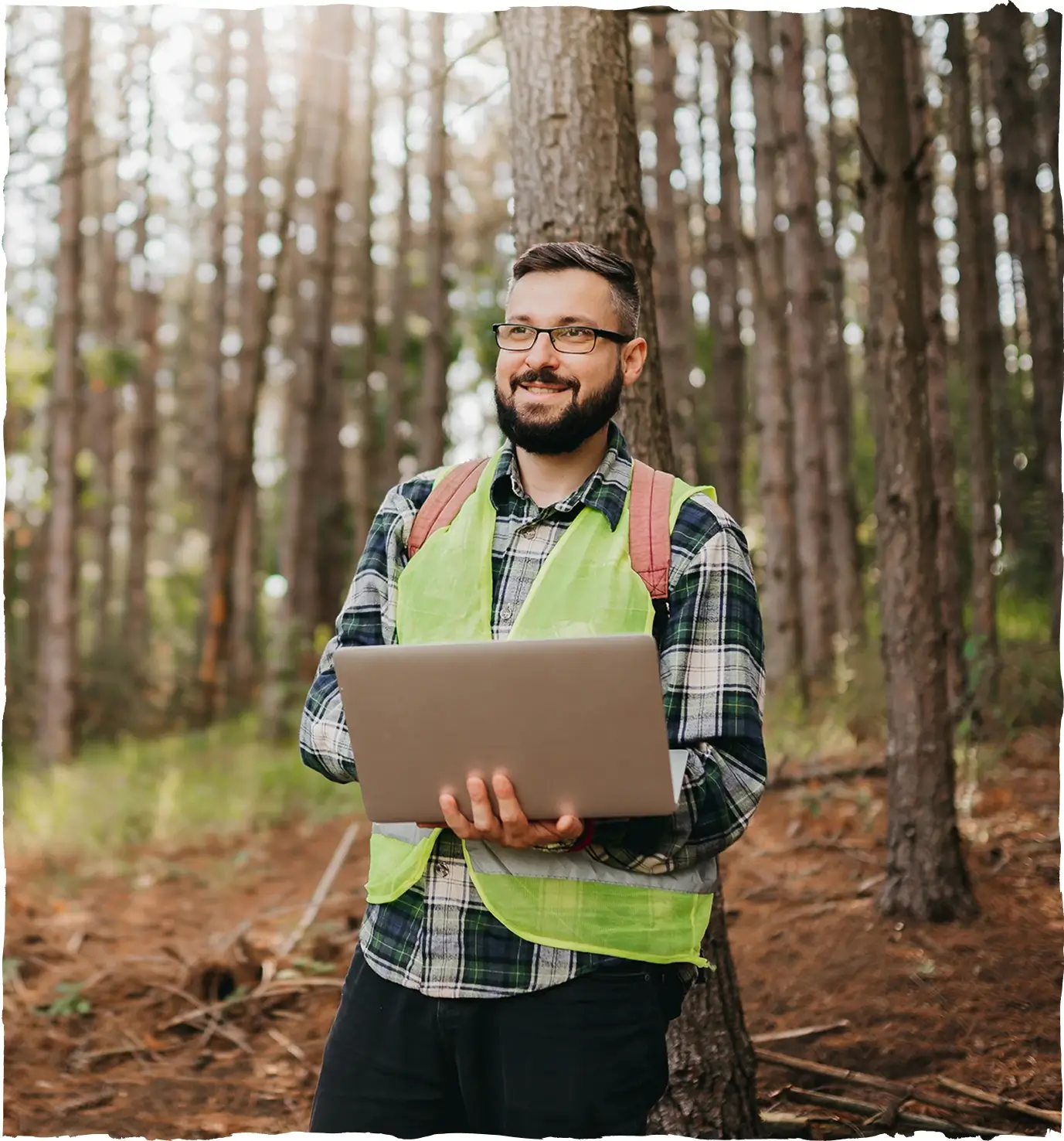
West Tree Services offers certified arborist consultations for hazardous trees in residential and commercial settings. We actively serve Central Florida communities in Orange, Seminole, Lake, and Osceola counties, with a focus on safety and lasting results.
What Happens Before the Tree Comes Down
Before anything is removed, we start with a full inspection. A tree might look fine from the outside but still have internal damage from pests, disease, or past storms. Spotting those issues ahead of time helps avoid surprises later.
Here’s what we usually check for:
• Weak or cracked limbs that may break off under pressure
• Fungus, cavities, or hollow spots inside the trunk
• Uprooted roots or shifting ground near the base
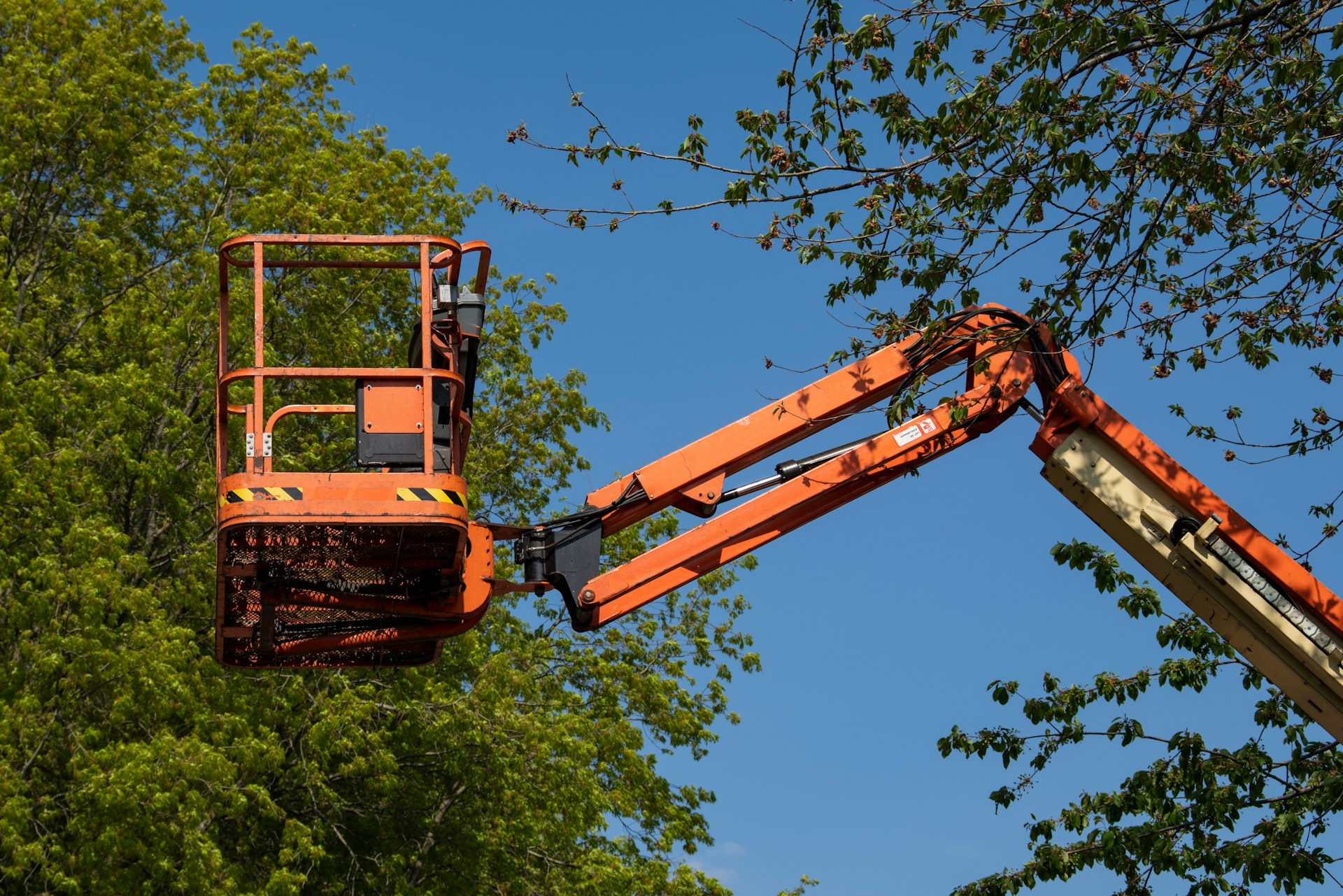
We also take note of everything around the tree. Are there fences nearby? Wires above? Windows within falling range? All of that shapes how the job gets done. Some setups need ropes, cranes, or bucket trucks to work safely. Planning this all out before cutting starts helps protect people, buildings, and other parts of the yard.
When we look at the tree, we always check for any signs that might signal further trouble. Sometimes, neighbors or homeowners notice changes, like large limbs dropping or new cracks at the base, that pop up only after a big weather event. If we catch these early, we can plan for a safer and more efficient removal.
The Removal Process Step by Step
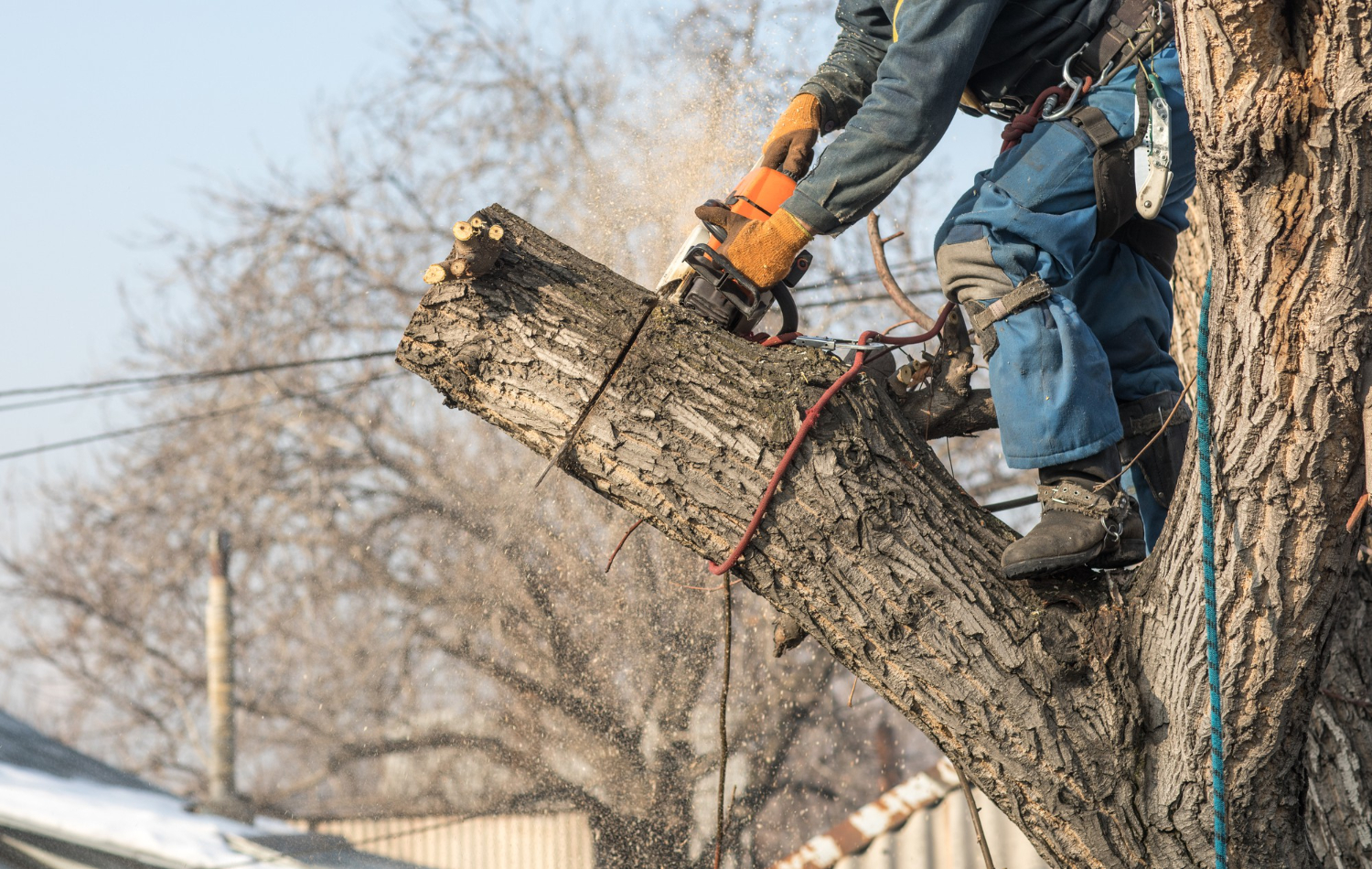
Once it’s time for removal, we focus on protecting everything nearby. This part involves trained steps to keep things controlled from the top down. Removing trees in the Orlando area often takes extra care because of tight spaces, mature yards, and sudden weather shifts.
The process usually looks like this:
1. Set up safety zones to keep people and pets away
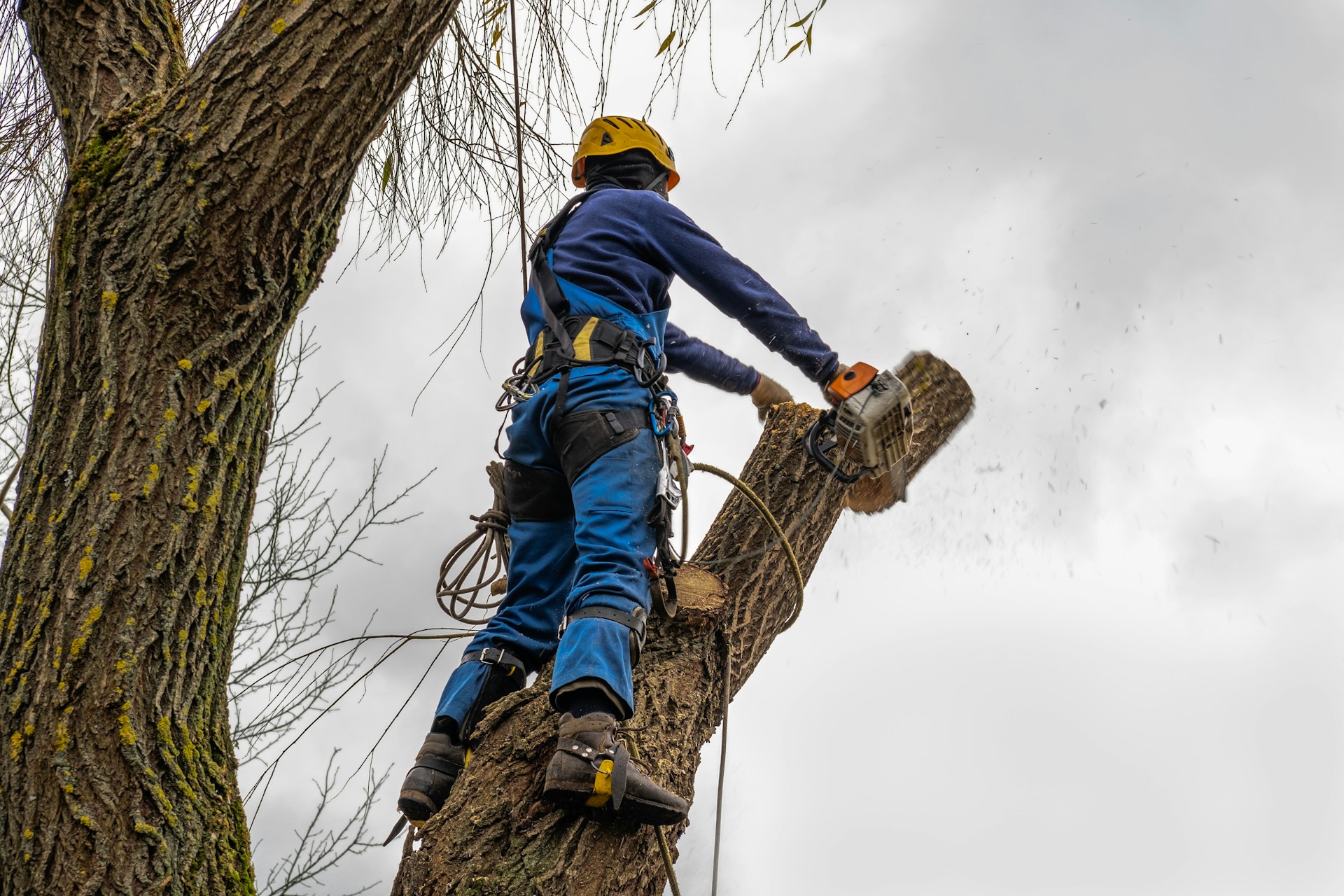
2. Use climbing gear or lift equipment to reach higher limbs
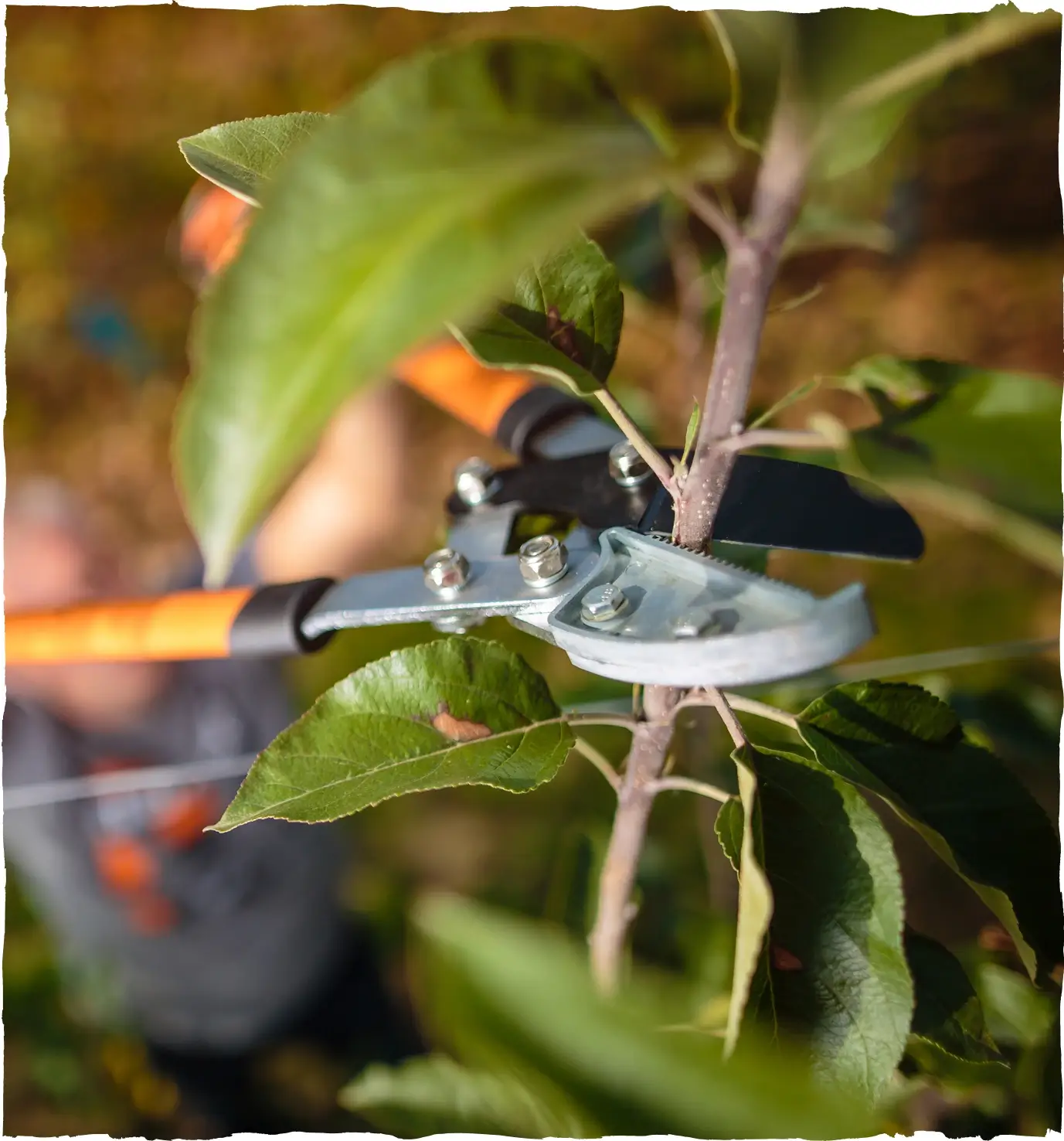
3. Cut the tree back in sections, starting from the top
4. Lower large pieces with ropes to avoid impact
5. Check between steps to keep the work area stable
Hazardous tree removal in Orlando often calls for extra focus near power lines or roads where others may be nearby. Having the right equipment and plan helps avoid damage and makes the rough parts of the job go more smoothly.
As part of our Medallion Service, we use safe working practices and advanced tools to manage even challenging removals, making the process smoother for your property.
During removal, we make sure to keep in contact with anyone nearby so everyone stays clear of the area. If weather changes mid-job, like if winds pick up or it starts raining hard, our team pauses and waits for conditions to improve. It’s better to take a bit longer than risk safety. Sometimes, tricky roots or unexpected hollows come up, and we adjust our equipment or methods to keep things steady and under control.
Cleanup and What Happens After
Taking down a tree is only part of the job. Once the last piece is on the ground, there’s still work to do. Tree limbs, sawdust, and trunk slices leave a mess if they’re not handled the right way. We like to leave the space safe, tidy, and ready for whatever comes next.
Cleanup may include:
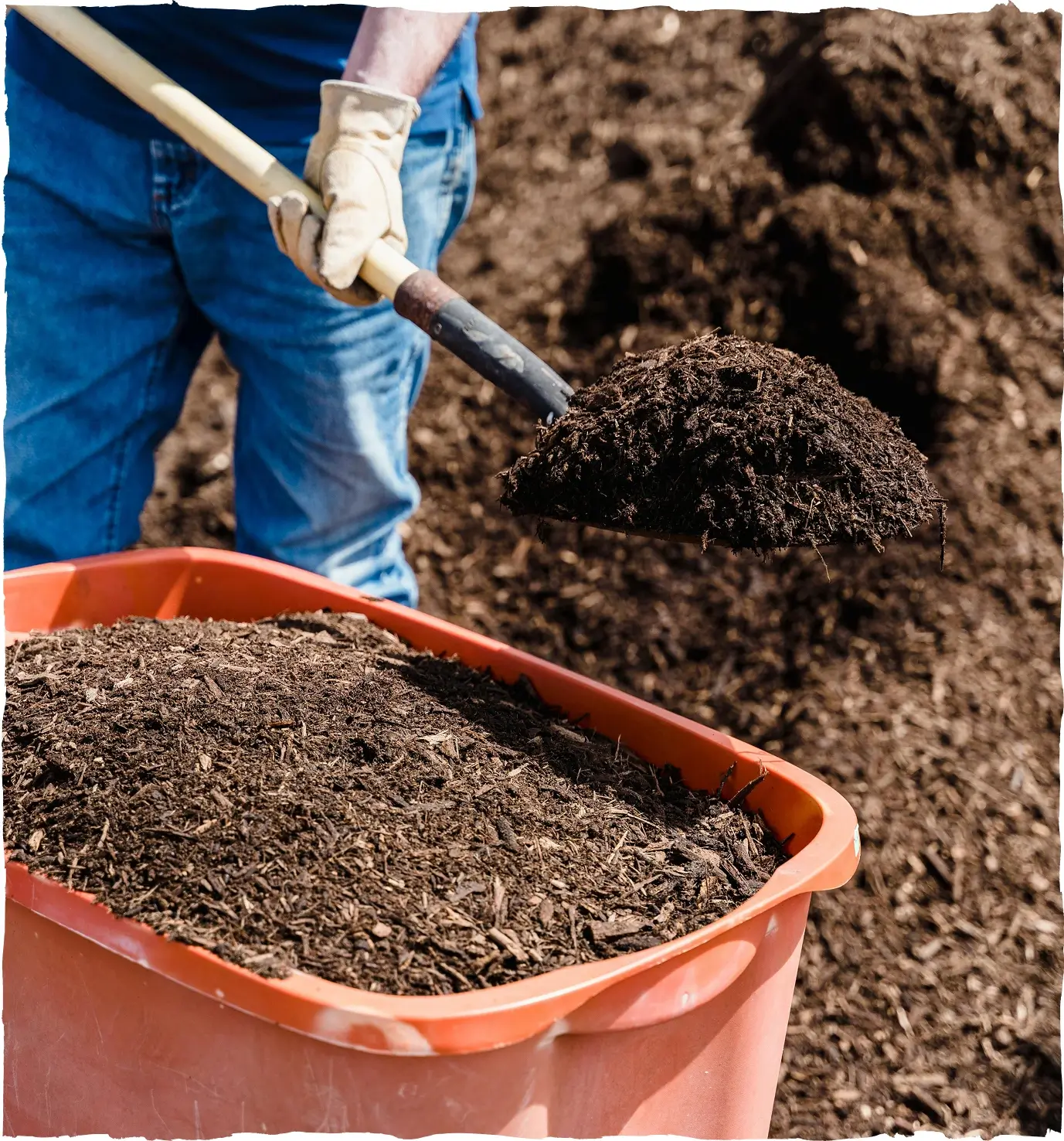
• Hauling limbs and wood off-site
• Grinding the stump to clear space and prevent regrowth
• Raking and removing leftover debris
• Checking roots or soil for signs of movement or damage
Sometimes we find shallow roots that spread out under grass or pavement. After a big removal, we’re careful to make sure those don’t cause tripping hazards or sinkholes.
Once everything is clear and flat again, the space feels safe. Kids can play, cars can park, and storms won’t be as big a worry. That restored peace of mind is one of the biggest reasons to get ahead of a risky tree.
Making sure the area looks settled and trouble-free is just as important as the main removal. Homeowners often ask about planting something new. Once we know the soil has settled and there’s no risk of leftover roots causing trouble, we can offer suggestions for what might work best for the space, keeping in mind Florida’s weather and soil.
Why Timing and Care Matters in Hazard Tree Work
We’ve seen how quickly a sunny day in Orlando can turn into strong winds or sudden rain. That’s why waiting too long to deal with a dangerous tree often makes the job harder, and the risk higher. Trees don’t get safer on their own. So recognizing trouble early and doing something about it can make a huge difference.
Getting rid of a hazardous tree doesn’t just prevent falls or property damage. It also helps protect nearby trees, keeps people out of harm’s way, and makes room for better things to grow. When the work is done with care, the space feels lighter, safer, and easier to enjoy.
It’s not always easy to spot when a tree goes from healthy to risky, but checking in after storms and during seasonal shifts makes a big difference. We make sure to talk with our clients about upcoming weather and what to keep an eye on in the weeks and months after a tree is removed. Long-term care sometimes helps prevent smaller problems from becoming big risks.
Your Partners for Safer Tree Removal
At West Tree Services, we always keep safety, timing, and respect for your property at the center of every decision we make.
Early signs of tree problems can get worse quickly, especially when unexpected weather hits. We take care with every step of the process so your property and surroundings stay safe, from initial planning through thorough cleanup. To learn more about how we manage hazardous tree removal in Orlando, reach out to West Tree Services. Give us a call to discuss what’s happening in your yard and let our team help you protect your home.